The warnings have been coming for years, that Grand Cayman’s crown jewel, Seven Mile Beach, is shrinking – a result of climate change, sand loss and a lack of strategic planning.
In 2024, alarm bells intensified, as an active hurricane season accelerated sand loss and left sections of southern Seven Mile Beach impassable, except by boat.
By November, Tourism Minister Kenneth Bryan categorised Seven Mile Beach’s erosion situation as a “national environmental and economic emergency”.
With increasing certainty, global climate change studies and local environmental reports indicate that sea-level rise and shoreline retreat will only worsen in the coming years.
As the sea moves further inland, the ‘billion-dollar’ beach faces increasingly urgent – and expensive – questions around development, conservation, and renourishment. Caribbean economist Marla Dukharan has warned that as the beach erodes, so will much of Cayman’s businesses that rely on its tourism, hospitality, real estate, and more.
Year of consequences
The year began with a destructive nor’wester in February, battering much of western Grand Cayman with high seas and near-gale-force winds. The Department of Environment found that for many damaged properties, recommendations on coastal setbacks had been ignored, although the projects had been reviewed and approved through the planning process at the time.
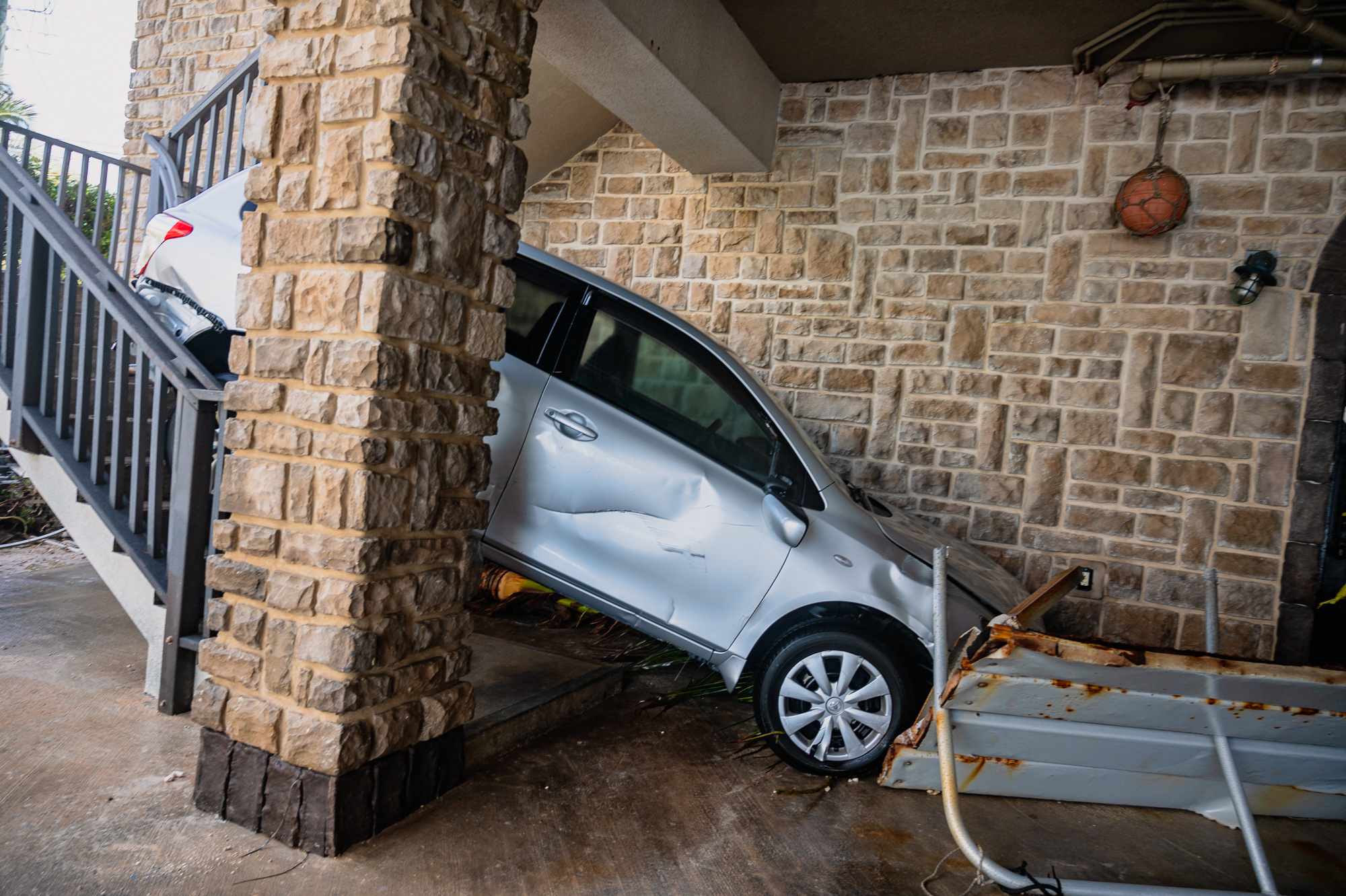
The following month, a detailed report on Seven Mile’s coastal erosion underscored the challenges created by increased storm intensity, sea-level rise and changes in offshore wave conditions. Without action, it cautioned, the southern end of the beach could permanently vanish.
The findings echo years of warnings, captured not just in environmental reports but in photographs, documenting the ever-shrinking beachfront.
The DHI report, commissioned by Dart to explore solutions for beach preservation, suggested an “artificial beach nourishment” effort, initially bringing in 200,000 cubic metres of sand to begin rebuilding the beach.
Similar efforts in other countries have restored shorelines and made them more resilient.
The renourishment concept is one that has been suggested and abandoned by government before, even after a 2021 task force underscored the issue as an urgent national priority.
Building pressure
Some developers are now proposing larger setbacks from the highwater mark, following the example of the 10-storey Kimpton Seafire Resort & Spa, which opened in 2016.
Meanwhile, The Westin resort, The Shores condominiums, Aqua Bay and The Watermark pursued their own efforts to redevelop as 10-storey structures, portending greater urban density for the Seven Mile corridor.
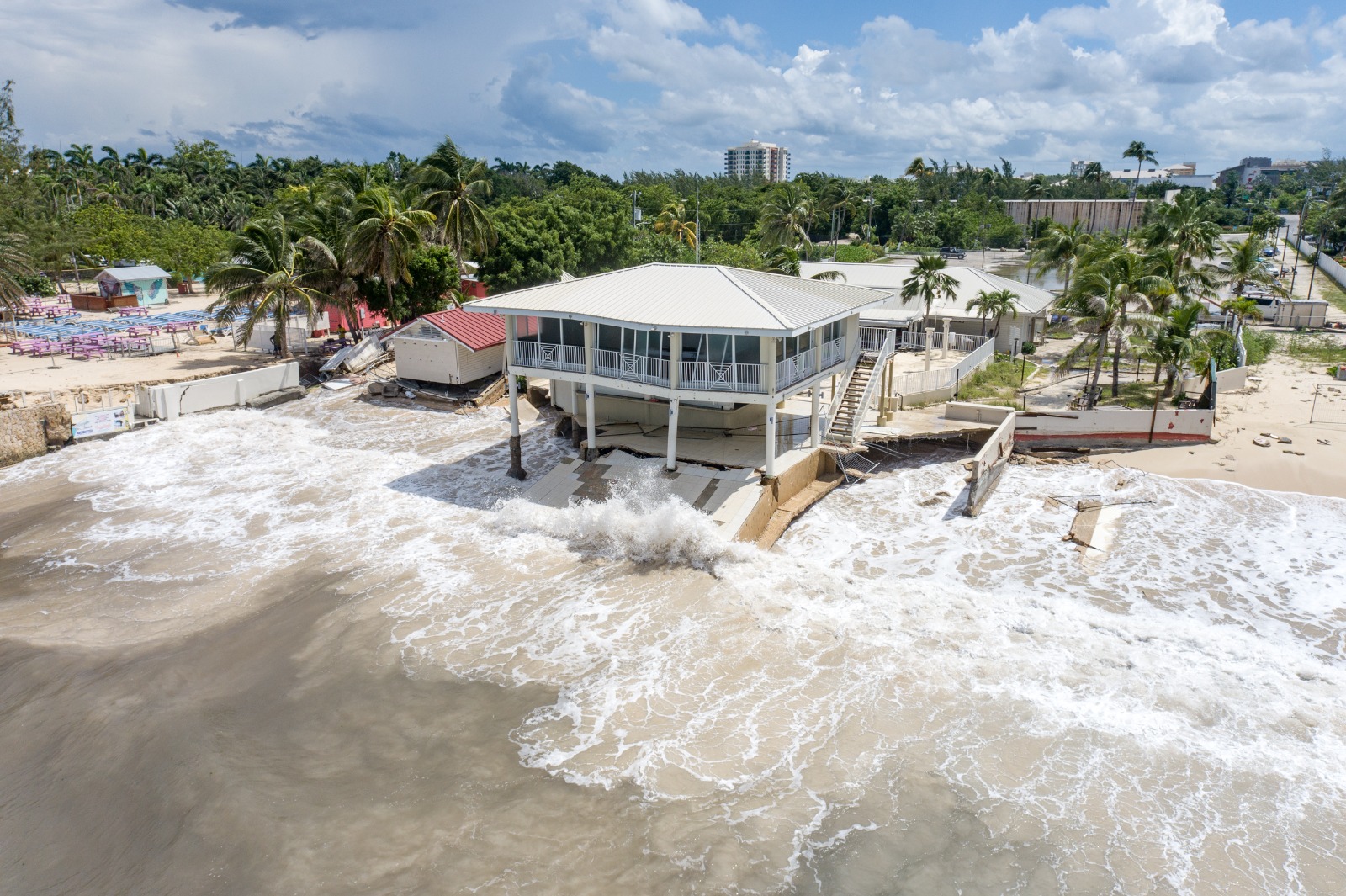
The passage of Tropical Storm Helene in October dealt another devastating blow to the beach, further washing away a mile-long stretch of once pristine, white-sand beach.
“Seven Mile Beach now starts at Palm Heights,” the Marriott’s manager Hermes Cuello told the Cayman Compass at the time.
As the Cayman Islands closes the year, government is looking for an expert technical consultant to help design the best solution to restore the sand that has been stripped away from the southern end of the beach.
What that solution will look like remains in discussion, and another year closes without a clear path forward to protect and restore Seven Mile Beach.
Related Videos