

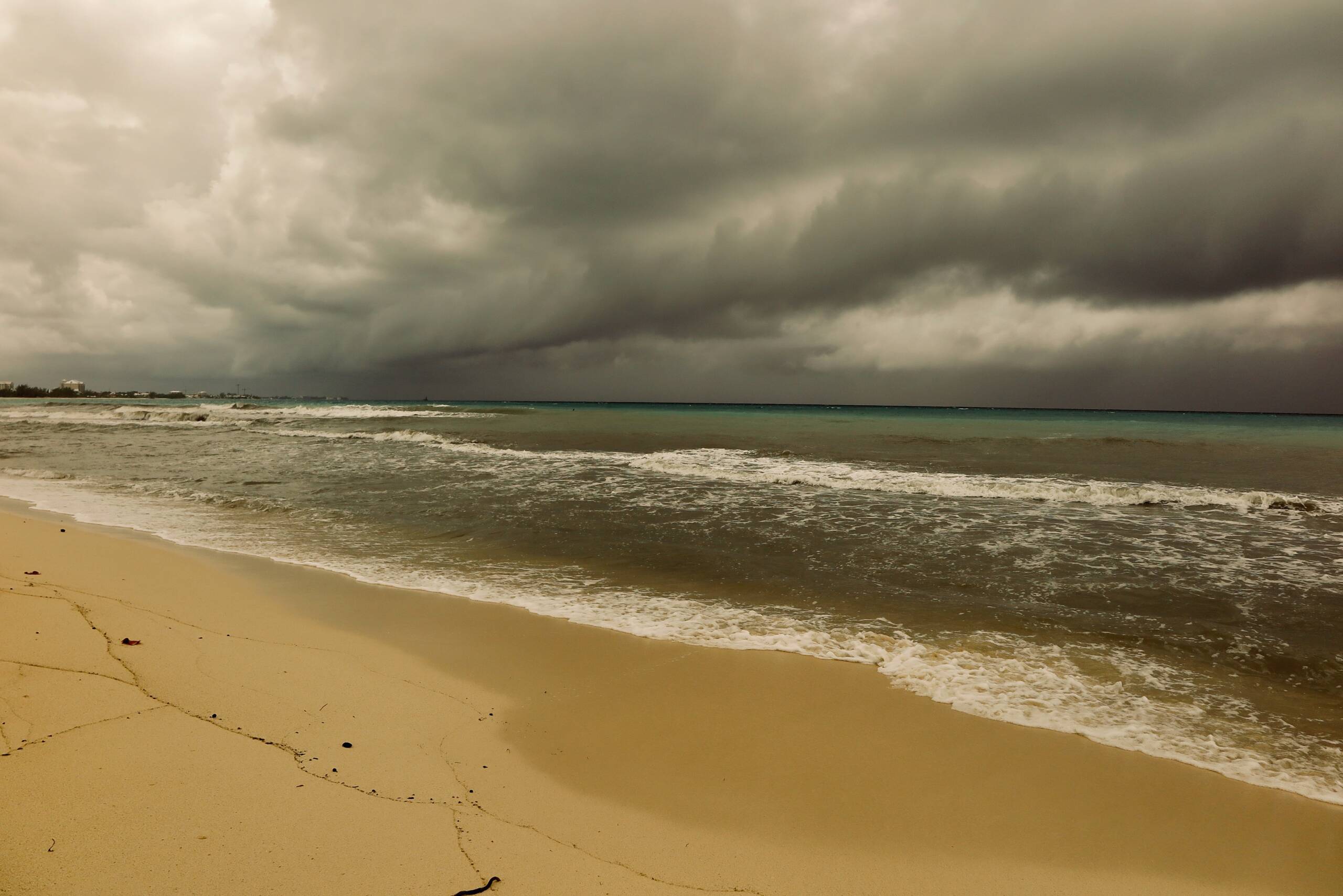
Amid the projections of rising seas, super storms and a range of escalating existential threats to Cayman’s future, it is easy to be pessimistic about climate change.
The Compass has outlined some of the core threats in an in-depth series over the past six weeks. Such is the range and scope of the hazards these three low-lying islands face, we could have spent far longer on this issue.
But this is not an exercise in doom-mongering.
We have sought solutions and found them in abundance, either in the examples from other jurisdictions, in the advocacy of environmental groups and, in some cases, from politicians and policy development experts here in Cayman.
“Fear is useful to wake us up and make us pay attention,” Katharine Hayhoe, a climate scientist at Texas Tech University told the New York Times last week. “But if we don’t know what to do it paralyses us.”
Today we look at some of the concrete things that Cayman can do – many of them highlighted by the experts interviewed during this series. It may be too late to avoid some impacts of climate change, but with planning and forethought, our series suggests: Cayman can be ready.
1. Rethink where we build
The overhaul of the Development Plan, which will outline how Cayman’s built environment evolves over the coming decades is long overdue. As far as climate resilience goes, this is probably the most critical action that government can take.
Ensuring more homes aren’t built too close to the ocean, that infrastructure is sufficient and ‘climate proof’ and that the islands preserve their natural resources, including flood defences, like mangroves and coral reefs, is paramount.
Premier Wayne Panton has indicated it is a priority but cautions it will take time – possibly the balance of his term – to put that framework in place.
2. Rethink how we build
Small islands, like Cayman, where there is no higher ground to run to, face the frontline impacts of climate change, Professor Michael Taylor, a climate scientist at the University of the West Indies in Jamaica, told the Compass.
There’s always the Bluff on Cayman Brac, but that seems an impractical option for a population of 72,000. Sea-level-rise projection maps suggest as much as a third of Grand Cayman could be below the high tide line by 2050, including some existing canal-side neighbourhoods.
Hardening the building code may not be enough. Sustainable energy company GreenTech has designed a ‘vision home’ – a climate-resilient cottage with a wash-through bottom floor that it hopes will serve as a guide to the building methods of the future.
CEO James Whittaker told the Compass there were tech solutions and either government or the private sector would need to embrace new methods for homes to be insurable in a climate-altered world.
3. Manage population growth strategically
Many of the problems caused by climate change are exacerbated by unchecked population growth.
More people means more development, more traffic, more electricity being used, more roads and other infrastructure. It also means more stress on reefs and natural habitats, which are often sacrificed for housing. The population of Cayman has grown exponentially since the 1970s when Cayman was a community of around 10,000 people.
By the turn of the century, that had increased to 40,000, and we are now at 72,000.
While this has been good, in many ways, for the economy, there has been a negative impact on the environment and the tranquil quality of life Cayman was associated with in the past.
Population growth is not easy for government to control without tinkering to ill-effect with the levers that make the economic wheel keep turning. Premier Panton has acknowledged this challenge.
But the question of whether Cayman has a carrying capacity is one that must at least be considered.
4. Retreat from the beaches
A new development plan might ensure smarter building in future, but it won’t correct the mistakes of the past.
Whether we attribute the erosion of Seven Mile Beach to rising seas or to structures that have been built too close to the ocean, the fact is that climate change is only going to make a bad situation worse.
Either way the long-term fix is the same – moving those buildings off the active beach.
That is something that would have to take place over time.
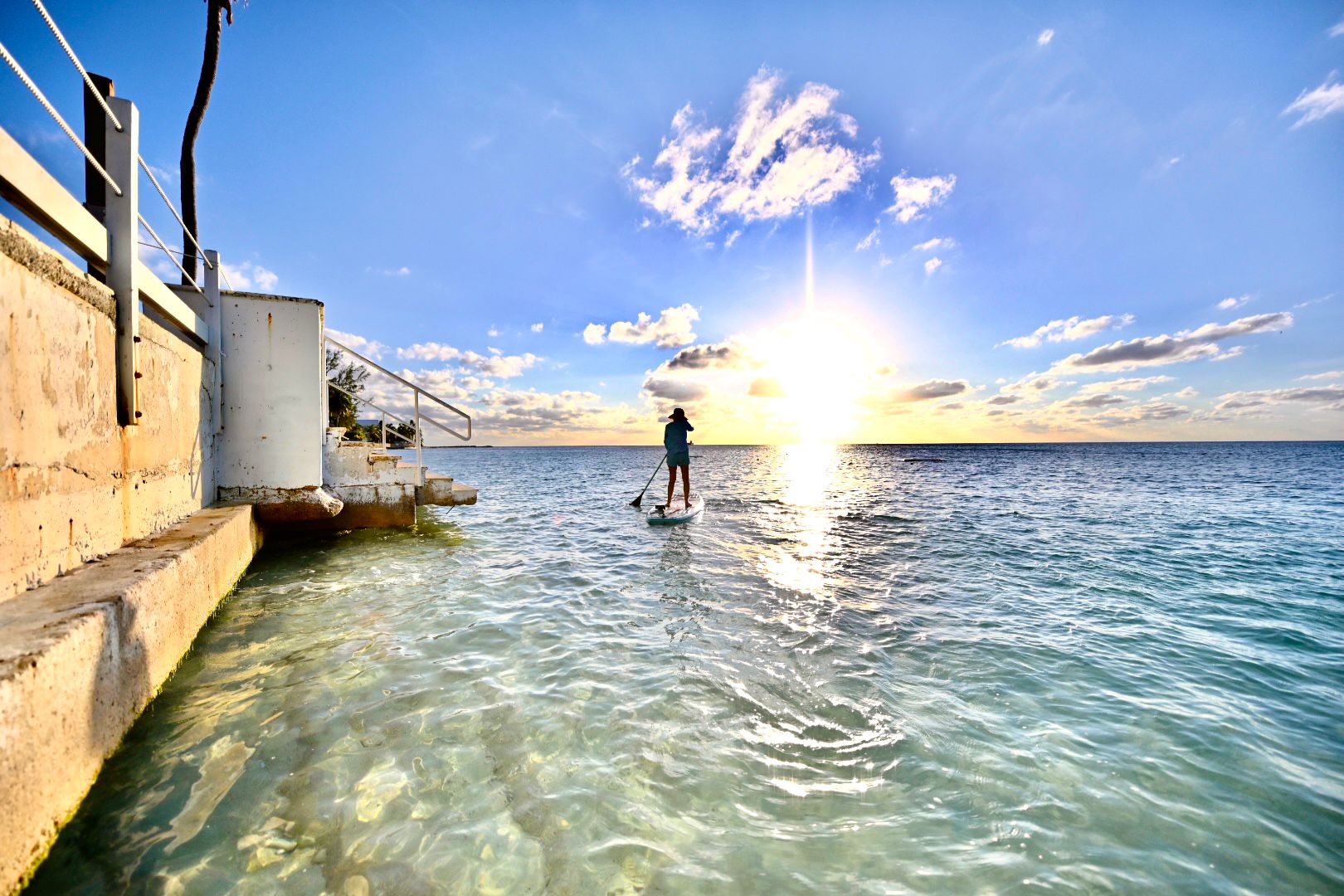
As structures are damaged in storms, or as properties renovate, owners could be incentivised to move further back.
This approach, sometimes known as ‘strategic retreat’, has been used successfully in parts of the US, including Hawaii, to deal with some of the same problems experienced on Seven Mile and elsewhere. The Department of Environment has supported a beach replenishment project, in principle, for the north end of the beach, near the Marriott hotel, but argues that retreat is the sensible long-term strategy.
5. Factor in nature’s value
Cayman’s natural assets have been assessed as having a partial value of more than $3 billion to the islands and its people, according to a ground-breaking analysis that demonstrates the economic value of protecting beaches, coral reefs, mangroves and public open spaces.
As we reported, the islands’ first-ever set of ‘natural capital accounts’ attempts to translate some of the value of nature into dollars and cents and provide comprehensive data on the condition and extent of the islands’ ecosystems.
The impact of reefs in sustaining fisheries and providing storm protection, the carbon captured by coastal mangroves and the significance of beaches to tourism are all factored into what amounts to a budget document for the natural world.
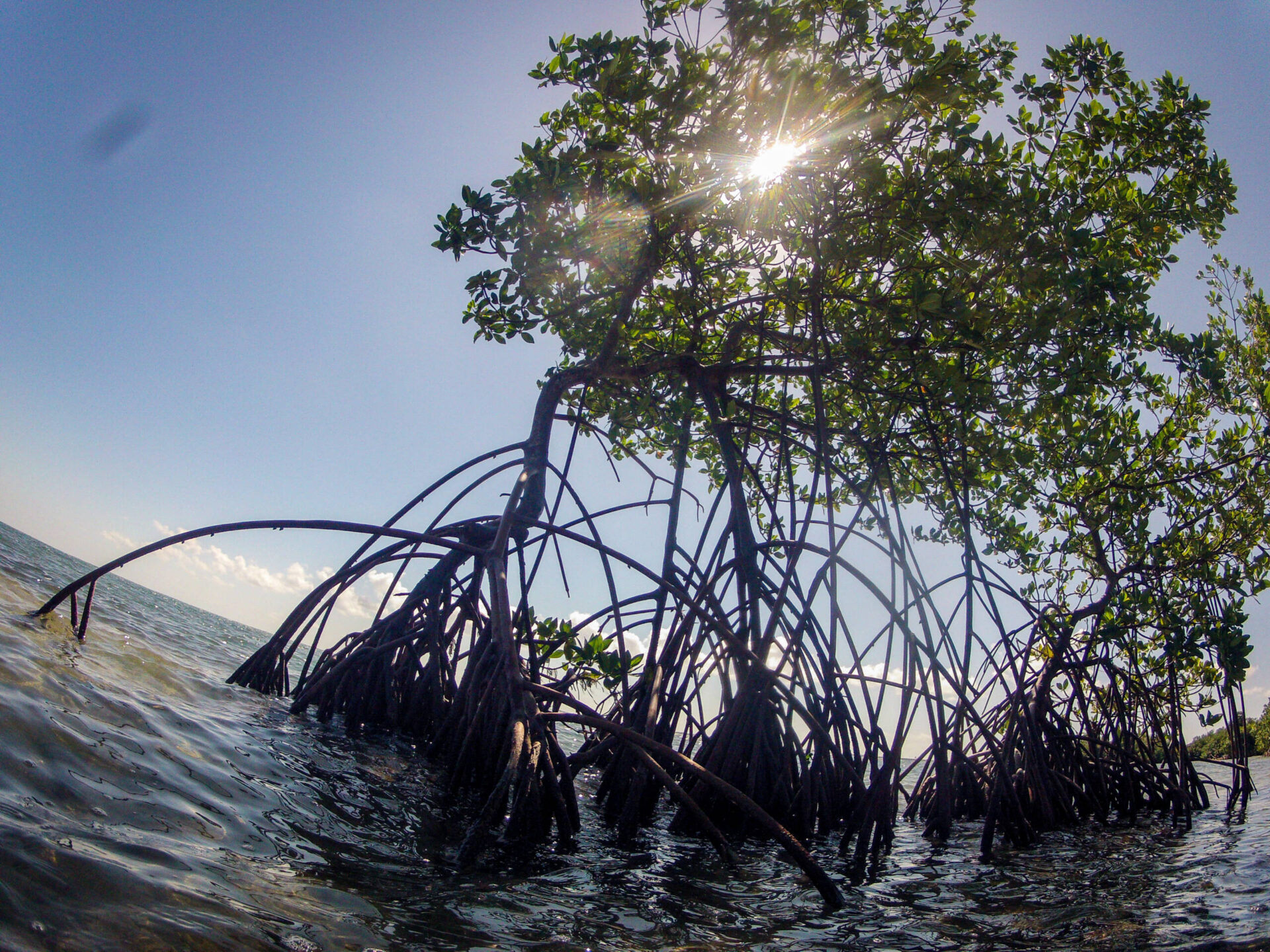
The next big question lies in what government does with that report. The information is now there to balance the case for new development against the value, in purely economic terms, of what is being lost.
But, if and how this data will be factored into on-the-ground decision making remains to be seen.
6. A national public transport system
Cayman has more than 40,000 registered vehicles on the road. A national plan that involves reliable public transport, bicycle lanes and footpaths, ride-share initiatives and other strategies and policies to reduce that figure is becoming essential.
From a climate perspective, the number of vehicles on the road contributes to one of the worst per-capita carbon emissions records in the world.
The construction of new roads and new lanes also takes its toll and a number of advocates in our series have argued for a more creative approach.
One couple has even taken it on themselves to create a commuter ferry service in the hope of moving a few vehicles off the road and promoting the concept of using the waterways as an alternative transport system.
Government is going out to tender for consultants to advise on a plan, so groundwork is beginning to be laid.
Turning that into action would be good for the environment and quality of life.
7. Accelerate the switch to renewable energy
The shift to renewable energy has been a long time coming, but for the first time everyone seems to be singing from the same hymn sheet.
CUC wants it, the government wants it, renewable businesses want it and OfReg seems to be making overdue inroads in setting up the procurement structure to make it happen.
An auction scheme to allow businesses to bid on large-scale solar and wind projects has been set up and is expected to be rolled out this year.
Reducing Cayman’s reliance on fossil fuels won’t move the needle in terms of global emissions targets, but Panton, in an interview with the Compass, acknowledged that the jurisdiction and the region needs to do more.
There are significant financial resources becoming available for countries facing frontline climate impacts, but accessing those grants is more difficult if you are not doing your part.
Adoption of solar and other renewables will also make the islands more ‘energy secure’ and less dependent on oil-producing nations, argues Greentech CEO and chairman of the Energy Council James Whittaker.
8. Step up marine parks enforcement
There is not much anyone in Cayman can do to prevent the ocean from warming, bringing with it an increased threat of coral bleaching and disease.
All the Department of Environment and its partners can seek to do is control the other stressors on the reef.
Research from Little Cayman’s Central Caribbean Marine Institute shows that healthier reef systems bounce back more quickly from bleaching events and are potentially more resilient to the impacts of climate change.
If we think of the parallels with COVID-19, older people with more comorbidities are more likely to succumb to the virus.
For reef systems, the comorbidities are man-made stresses, like overfishing, pollution and damage from ship anchors.
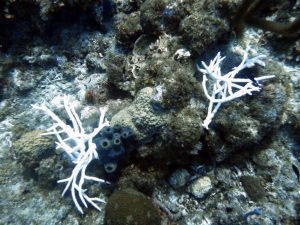
Organised poaching gangs have also been highlighted by conservation officers in Cayman as a key threat to core species.
Currently, there are just a handful of officers covering vast swathes of territory to enforce the law in Cayman’s expanded marine park system. Good work is going on at the DoE to publicise the new rules, and partnerships with the Coast Guard and with the public are helping expand oversight. But more funding, more officers, better technology, intelligence-style policing and tougher deterrents are likely needed.
9. Good data is key to climate solutions
While the international consensus around rising seas and warming oceans has been solid science for some time, the specifics of the potential impacts on the Cayman Islands have remained imprecise.
Fighting the tide
- Could Cayman’s financial sector help save the planet?
- Premier seeks to tackle ‘existential threat’ of climate change
- Small force protects Cayman’s waters from man-made threats
- Organised poaching gangs threaten survival of key species
- Cayman 2050? How surging seas could redraw the map
- What does Cayman’s environment contribute to the economy?
- The issue explained: Putting a price on nature
- Expert: ‘Climate threats already impacting Cayman’
- Climate change’s biggest threat may be to Cayman’s economy
- Cayman braces for impact as ‘climate catastrophe’ looms
That is changing. Government, with funding support from the UK, is engaged in a comprehensive climate-risk assessment that will map out the threats to the islands. An extensive seabed-mapping project that will also provide precise data on the underwater topography around Cayman is under way.
Simon Boxall, of Hazard Management Cayman Islands, confirmed to the Compass that the US National Oceanic and Atmospheric Administration has agreed to run up to 120,000 simulations of hurricanes of different intensities, durations, wind speeds and paths of approach to exhaustively assess the threat level.
With that information in hand, Boxall suggested Hazard Management would be in a position to say authoritatively which areas face the highest risk and to use that data to help inform the planning process. It will also help with the agency’s own work as it forms disaster-response plans that are appropriate to the escalating threat level from storms.
10. Cayman’s financial industry can help create a greener world
It is tempting to think an island of 72,000 people can’t make a dent in the world’s problems. But Cayman’s status as an offshore financial hub gives it the chance to play an outsized role in changing the direction on climate change.
There is more than $3 trillion of capital held by Cayman-based entities, much of it is invested in projects and businesses around the globe. By setting targets and reporting requirements for how that money is spent, regulators can help channel capital towards positive change. Arnaud van Dijk, of KPMG Impact, argues that this is a win-win-win scenario for investors, for the planet and for Cayman’s reputation as a jurisdiction Anyone handling people’s money – especially pension funds dealing in retirement savings with long-term investment horizons – needs to imagine what the world will look like in 20 or 30 years time.
Ensuring portfolios are diverse and ‘climate proof’, geared towards resilient infrastructure and business investment that won’t be obsolete in a carbon-neutral world could be considered due diligence for asset and fund managers.
ESG reporting – the disclosure of environmental, social and governance data – is becoming mandatory in some financial centres and Cayman industry officials are involved in discussions about how to incorporate that kind of structure here.
James Whittaker, the Cayman Compass journalist, and James Whittaker, the Energy Council chair, are not related.
Related Videos











This is an excellent must-read article for the young and those who care about future generations of our community. Peoples on the planet who share their respect for nature are better off in the long term than those who allow the short-term exploitation by a few. The sharing of natural spaces also maintains the community bond we enjoy. There are pressures to divide us between those who build out the shorelines to turn their backs on the inland rest of us.
We could probably clean up the environment a whole lot by just getting rid of the cruise ships.